
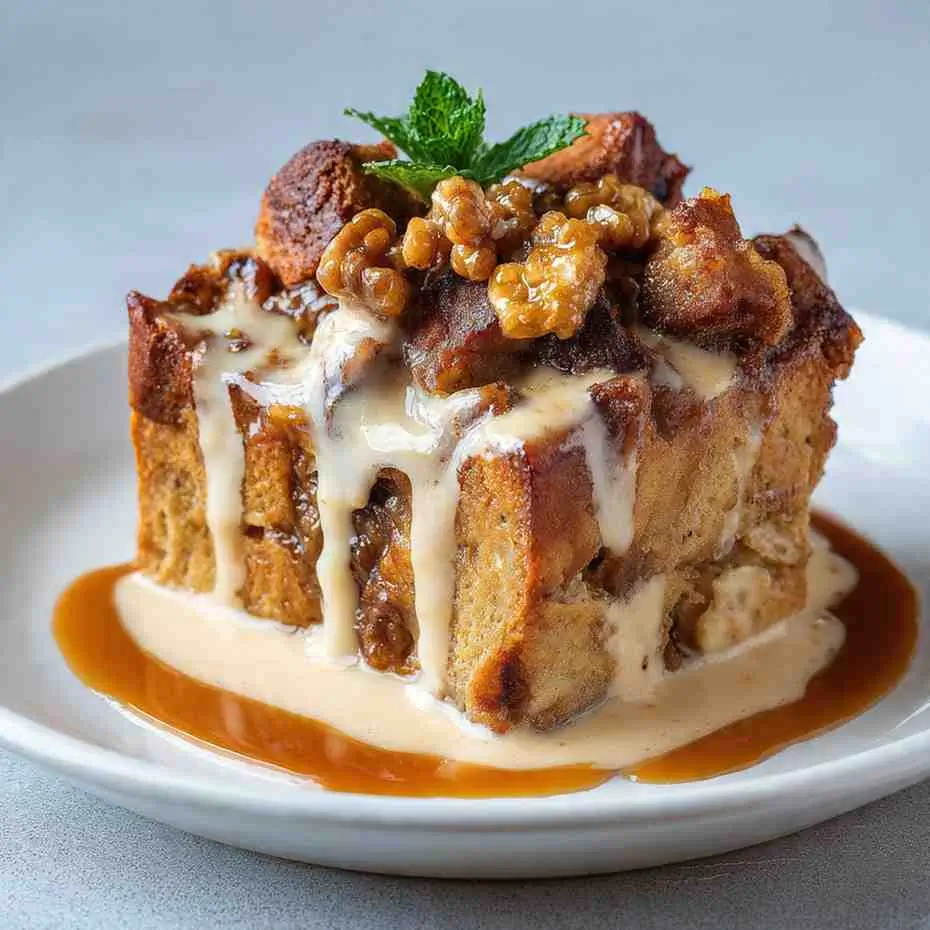
Bread pudding is one of the most iconic comfort desserts in culinary history. Simple, warm, and incredibly adaptable, it has remained a beloved dessert across generations and cultures. At its core, bread pudding transforms leftover bread into a rich, custardy, fragrant dessert that can be customized endlessly with spices, sauces, mix-ins, and different bread types.
Despite its humble origins, bread pudding can reach bakery-quality heights when prepared with intention. Whether made with brioche or challah for a richer result, or with French bread for a firmer texture, this classic dessert adapts beautifully to nearly any preference. It is equally at home on a holiday table, Sunday brunch spread, or as a comforting weeknight treat.
In this guide, you’ll learn how to make the perfect bread pudding, why it remains a timeless dessert, the history behind it, the essential ingredients that contribute to its texture and flavor, detailed baking instructions, decorating ideas, pairing options, and storage tips to keep it fresh.
- Fore more recipes follow men in facebook
- more ideas:
caramel bread pudding cake
holiday bread pudding dessert
chocolate chip bread pudding cake
brioche bread pudding
caramel bread pudding cake
pecan praline bread pudding
apple cinnamon bread pudding
cozy winter bread pudding
warm bread pudding with ice cream
How to Make the Perfect Bread Pudding
The secret to perfect bread pudding lies in three fundamentals: the bread, the custard, and the bake.
First, the choice of bread determines the structure. Richer breads such as brioche or challah create a softer, more luxurious pudding, while sturdier breads such as French bread or sourdough hold their shape and absorb custard without collapsing.
Second, the custard mixture requires balance. A blend of milk or cream, eggs, sugar, and vanilla creates the signature silky texture when baked. Spices such as cinnamon or nutmeg elevate the flavor without overpowering it.
Finally, baking temperature and timing determine the final texture. Bread pudding should be set but not dry, with a custard base that holds together and a lightly toasted top.
The process is straightforward, but small details such as letting the bread soak properly or using the right baking dish size make a difference in achieving consistent, satisfying results.
Why Bread Pudding Is the Ultimate Cozy Dessert
Bread pudding endures because it fits a universal culinary need: a warm, comforting dessert that is simple, affordable, and reliable. There are several reasons why this dish continues to be a favorite.
Comforting Flavor and Texture
Bread pudding combines soft, custard-soaked bread with lightly crisped edges from baking. The contrast in textures creates a balanced dessert that feels indulgent without being overly heavy.
Versatility
No two bread pudding recipes are exactly alike. Depending on preferences, you can infuse the custard with vanilla, cinnamon, nutmeg, or citrus. You can add raisins, chocolate chips, apples, pecans, coconut, or caramel. It adapts to any season or flavor profile.
Simple Ingredients
Bread pudding uses kitchen staples: bread, milk, eggs, sugar, and spices. It does not require advanced baking skills, complex techniques, or specialized equipment.
Ideal for Any Occasion
It suits Sunday brunch, winter gatherings, holiday dinners, potlucks, or a quiet evening at home. It can be plated casually or elevated with sauces and garnishes.
Sustainable and Practical
Historically, bread pudding was a way to reduce waste by using stale bread. Today, it still serves as an excellent recipe for repurposing leftover bread without sacrificing flavor.
Essential Ingredients
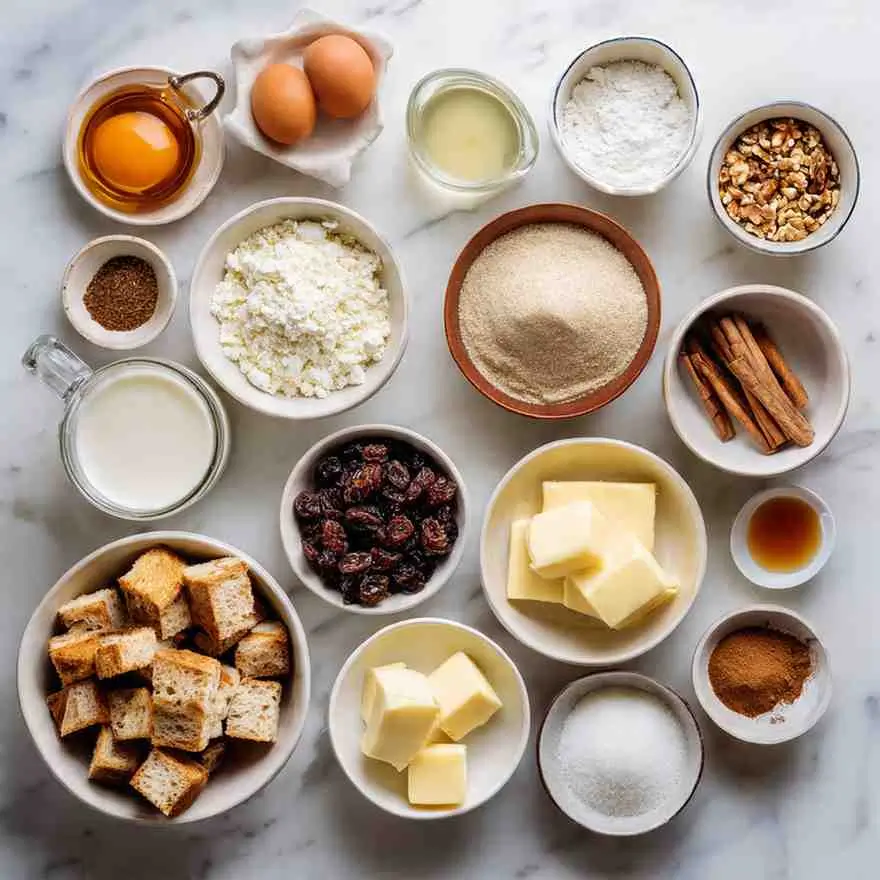
While bread pudding can be customized widely, several core ingredients define the dessert:
Bread
The foundation of the dish. Options include:
- Brioche (soft and buttery)
- Challah (slightly sweet, holds custard well)
- French bread (firm and traditional)
- Sourdough (adds mild tang and structure)
Stale bread is preferable because it absorbs custard better.
Milk or Cream
Whole milk is standard, but using half-and-half or heavy cream creates a richer, more indulgent pudding.
Ingredients
Equipment
Method
- Cut the bread into 1 to 1.5-inch cubes. If fresh, toast lightly in the oven. Grease a baking dish with butter and spread bread evenly inside.
- In a bowl, whisk together the milk or cream, eggs, sugar, vanilla, cinnamon, and nutmeg until fully combined.
- Pour the custard evenly over the bread cubes. Press gently to help the bread absorb liquid. Let sit for 10–20 minutes.
- Fold in optional ingredients like raisins or chocolate chips into the soaked bread gently.
- Bake at 350°F (175°C) for 40–55 minutes until set and top is golden.
- Allow the pudding to cool for 10–15 minutes before serving.
Nutrition
Notes
Tried this recipe?
Let us know how it was!Eggs
Eggs bind the ingredients and create the custard texture as they bake.
Sugar
White sugar sweetens the custard. Brown sugar adds moisture and caramel undertones.
Vanilla Extract
Adds depth and warmth to the dessert’s overall flavor profile.
Spices
Cinnamon and nutmeg are classic choices that enhance the bread’s natural flavor.
Add-ins (Optional)
- Raisins
- Chocolate chips
- Pecans or walnuts
- Apples
- Caramel bits
- Dried cranberries
Sauces (Optional but Recommended)
- Vanilla sauce
- Caramel sauce
- Bourbon sauce
- Custard sauce
Step-by-Step Baking Guide – Mixing, Baking, Cooling

Below is a clear, structured guide to preparing bread pudding from start to finish.
Step 1: Prepare the Bread
Cut bread into cubes, typically 1 to 1.5 inches in size. If the bread is fresh, lightly toast it in the oven for several minutes to improve absorption. Spread cubes evenly into a buttered baking dish.
Step 2: Make the Custard
In a large bowl, whisk together milk or cream, eggs, sugar, vanilla extract, cinnamon, and nutmeg. Whisk until smooth and well combined.
Step 3: Soak the Bread
Pour the custard mixture evenly over the bread pieces. Gently press the bread with a spatula to ensure complete soaking. Let the mixture rest for 10 to 20 minutes so the bread absorbs the custard thoroughly.
Step 4: Add Optional Ingredients
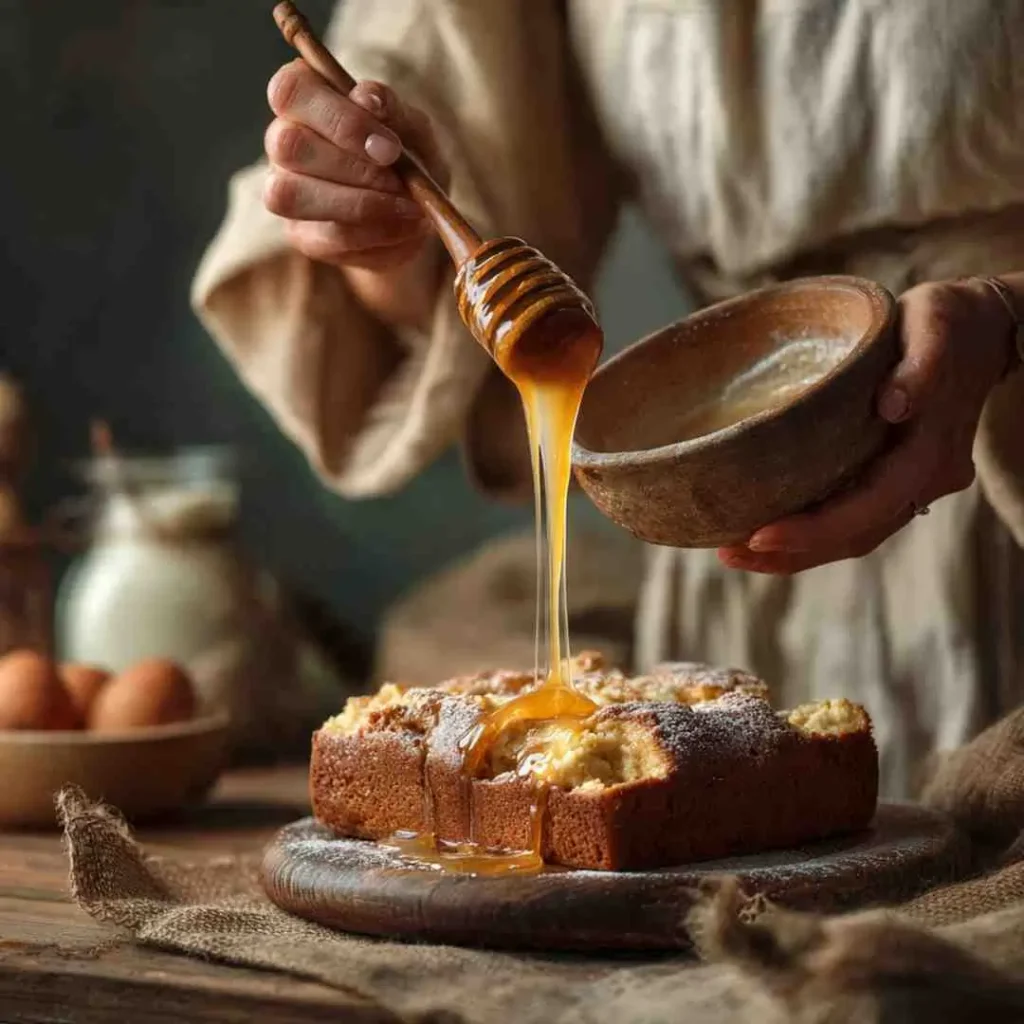
If adding ingredients such as raisins, apples, or chocolate chips, fold them into the soaked bread gently.
Step 5: Bake the Bread Pudding
Bake at 350°F (175°C) for 40 to 55 minutes. The pudding should be set but still soft, with the top lightly browned and edges slightly crisp.
Step 6: Cool and Serve
Allow the pudding to cool for at least 10 to 15 minutes. Cooling helps the custard firm up and improves both texture and sliceability.
Decorating
Bread pudding is naturally rustic, but a few finishing touches can elevate its appearance and flavor:
- Dust lightly with powdered sugar
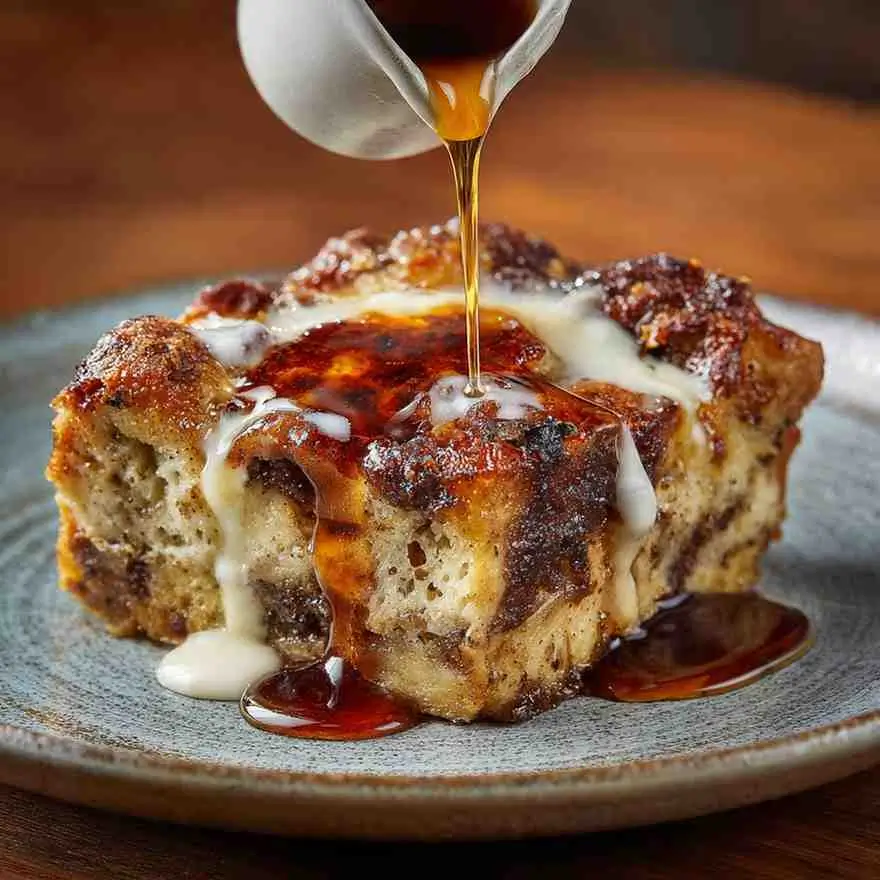
- Drizzle with vanilla, caramel, or bourbon sauce
- Add toasted nuts on top
- Serve with a spoonful of ice cream or whipped cream
- Garnish with cinnamon sticks for presentation
- Add thin apple slices or toasted breadcrumbs for texture
These simple enhancements create a polished final dessert suitable for gatherings or food photography.
Serving and Pairing Ideas
Bread pudding pairs well with a wide range of beverages and complementary foods.
Pair With
- Hot coffee
- Chai tea
- Black tea
- Warm apple cider
- Dessert wine or fortified wine
- Milk or cream-based drinks
Serve With
- Vanilla sauce or custard sauce
- Caramel drizzle
- Whipped cream
- A scoop of vanilla, cinnamon, or butter pecan ice cream
Best Occasions for Bread Pudding
Bread pudding is a versatile dessert suitable for:
- Holiday dinners
- Sunday brunch gatherings
- Winter celebrations
- Potluck events
- Birthdays
- Casual home baking
Its warm, custard-like consistency makes it especially fitting for colder seasons.
Storage Tips Keep It Moist and Fresh
Bread pudding stores exceptionally well if handled properly.
Room Temperature
Store at room temperature for up to 12 hours if covered and kept in a cool environment.
Refrigerator
Store leftovers in an airtight container for up to four days. Reheat individual servings in the microwave or oven.
Freezer
Bread pudding freezes well. Wrap tightly and freeze for up to two months. Thaw in the refrigerator and reheat before serving.
Make-Ahead Notes
Bread pudding can be assembled and soaked ahead of time. Refrigerate the unbaked mixture for several hours or overnight, then bake fresh when needed.
FAQs
1. What is the best bread for bread pudding?
Brioche and challah provide the richest texture, while French bread and sourdough offer structure. Any stale bread works well.
2. Can bread pudding be made without dairy?
Yes. Substitute plant-based milk and use a dairy-free butter alternative.
3. Why is my bread pudding soggy?
Too much liquid or insufficient baking time can cause sogginess. The custard should be set before removing from the oven.
4. Can I reheat bread pudding?
Yes. Warm in the oven at 325°F or microwave individual servings.
5. How do I keep bread pudding from drying out?
Avoid overbaking and always store it covered. Adding sauce also helps retain moisture.
6. Can bread pudding be made with fresh bread?
Yes, but stale bread absorbs custard better. Toasting fresh bread before using improves results.
Conclusion
Bread pudding remains one of the most dependable, comforting, and versatile desserts in the culinary world. Its simple ingredients, customizability, and rich texture make it a dessert suited for any season and any skill level. Whether prepared with brioche for a luxurious version, studded with fruit or chocolate, or served with warm vanilla sauce, bread pudding continues to stand as a timeless favorite.