
If you step into my kitchen in October, you’ll find the air tinged with cinnamon, nutmeg, and just a whisper of mischief. The days grow shorter, the evenings cooler, and my heart always craves a dessert that’s as magical as the season itself. That’s where my Ghost Cake comes in. This isn’t just a cake it’s a centerpiece, a conversation starter, and a little edible enchantment that brings everyone to the table with wide eyes and wide smiles.
A Ghost Cake is a whimsical creation that blends cozy autumn flavors with festive Halloween charm. Imagine a rich, tender cake layered with fluffy buttercream, topped with adorable ghostly figures made from marshmallow swirls, fondant drapes, or even meringue puffs. It’s spooky, but never scary more like the friendly ghosts that pop up in bedtime stories.
In this guide, I’ll walk you through everything you need to know: from the perfect base cake recipe, to decorating tricks that will make your cake the star of the dessert table. We’ll also take a fun detour into cake history answering curiosities about the 1-2-3-4 cake, Depression cake, Devil’s Food cake, and which cakes might be the “unhealthiest” of them all. So, grab your apron, a big mixing bowl, and let’s whip up something hauntingly sweet together.
What is a Ghost Cake?
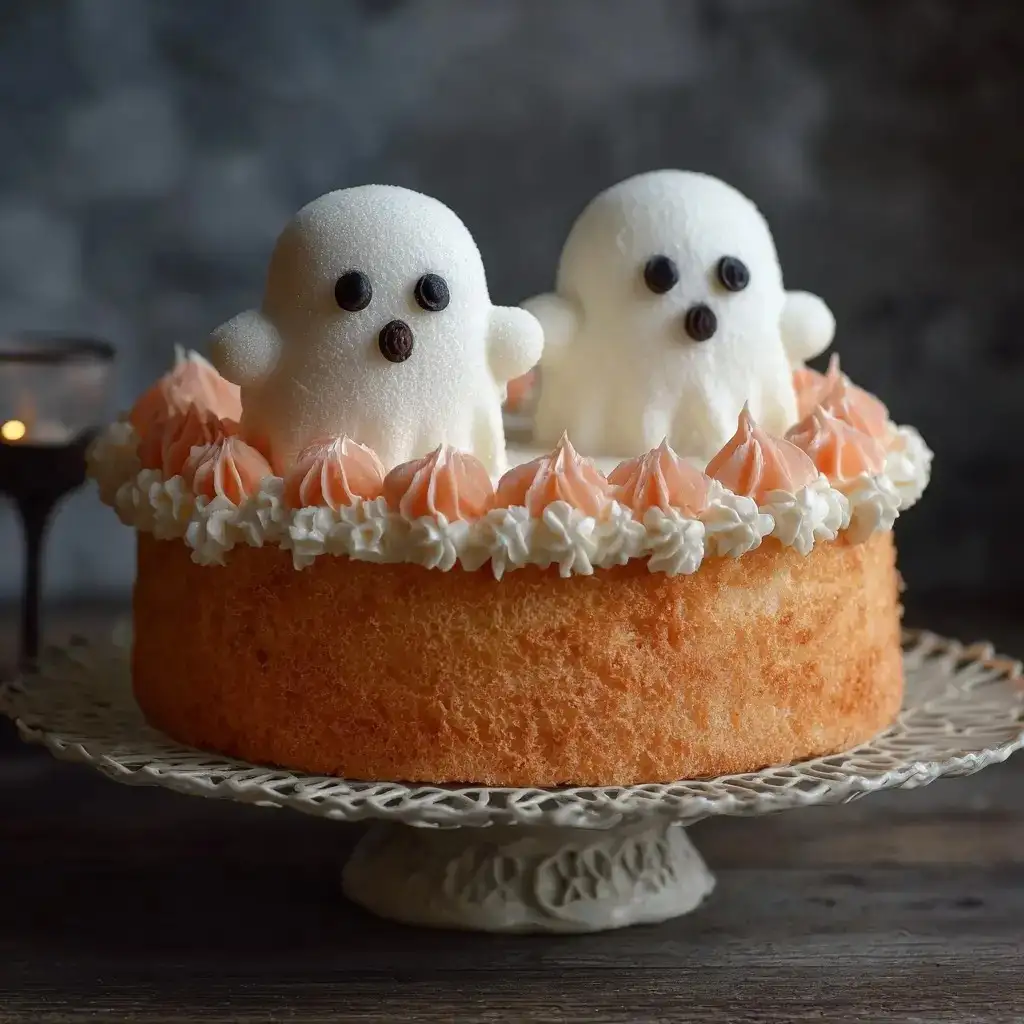
A Ghost Cake is more about the decorating than the actual cake recipe itself. At its heart, it’s a layered cake most often vanilla, chocolate, or pumpkin spice that becomes the canvas for playful Halloween decorations. Ghosts can be created with whipped cream swirls piped high, fondant cutouts draped into flowing shapes, or meringues baked until crisp and perched like little specters. Some bakers even use marshmallows dusted in powdered sugar for quick, easy ghost toppers.
The charm of a Ghost Cake lies in its whimsy. It’s meant to be fun, approachable, and full of character. The flavor can be tailored to your preference pumpkin layers with cream cheese frosting for autumnal warmth, or a cookies-and-cream cake for a black-and-white spookiness. No two Ghost Cakes are alike, and that’s part of the magic. Each one tells a little story on the dessert table, inviting guests to slice into something both festive and delicious.
The History of Ghost Cake
1. Origins in Halloween Traditions
The idea of “Ghost Cakes” traces back to early 20th-century Halloween parties in the United States and the UK. During this time, bakers often decorated simple sponge or pound cakes with seasonal motifs like pumpkins, witches, and ghosts. Ghost-shaped desserts became popular because they were easy to create using white icing, fondant, or marshmallows, symbolizing the playful “spooky” side of Halloween rather than the frightening.
2. Influence of Victorian Cakes & Confections
In the late 1800s and early 1900s, Victorian households enjoyed elaborately decorated cakes for holidays and special occasions. Halloween, which was becoming more widely celebrated in North America, borrowed some of these ideas. Bakers began shaping meringues, sponge cakes, and cookies into whimsical forms ghosts being a favorite due to their simplicity and association with folklore.
3. Popularity in Mid-Century America
By the 1950s and 60s, Halloween had shifted into a family-friendly holiday, with candy and themed baked goods at the center. Magazines and cookbooks featured recipes for “Ghost Cakes” often bundt cakes or sheet cakes frosted in white, then decorated with chocolate eyes. This era made the ghost cake a staple at children’s parties.
4. Modern Variations & Viral Appeal
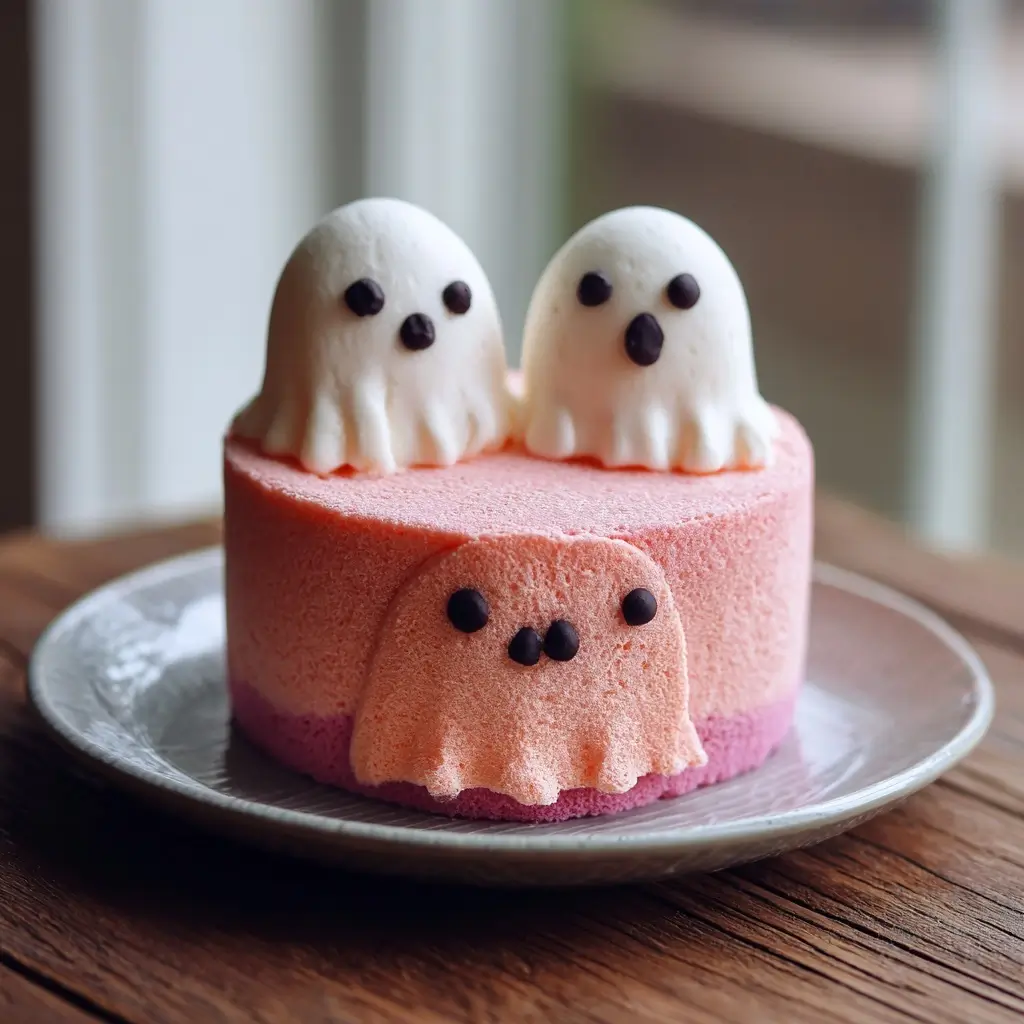
In recent decades, Ghost Cake has taken on countless creative forms thanks to social media and food blogging. From mini ghost cupcakes with marshmallow toppings to layered ghost cakes covered in fondant, bakers continue to reinvent this idea every Halloween. Pinterest and Instagram helped revive and popularize ghost-themed cakes, turning them into highly shareable seasonal desserts.
5. Cultural Significance
Ghost Cake is less about being a traditional “old” recipe and more about seasonal creativity. It reflects how food culture adapts to holiday celebrations transforming a simple cake into a playful edible centerpiece. Today, Ghost Cakes are part of the wider Halloween dessert trend, alongside pumpkin cakes, graveyard dirt cakes, and spiderweb cupcakes.
Ingredients You’ll Need for a Ghost Cake
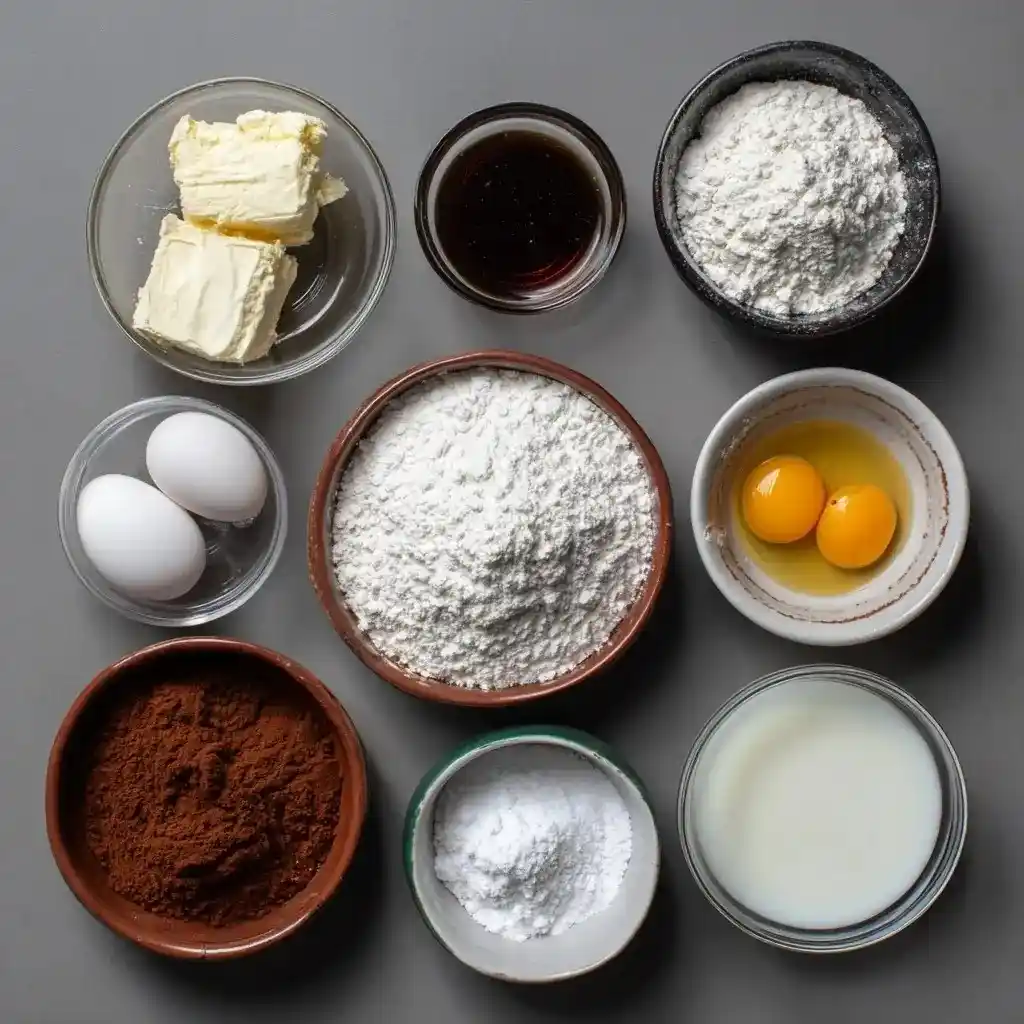
Before you preheat your oven, let’s gather our ingredients. For my favorite Ghost Cake, we’ll use a classic vanilla cake base and decorate with buttercream and fondant ghosts. Here’s what you’ll need:
For the cake:
- 2 ½ cups all-purpose flour
- 2 ½ tsp baking powder
- ½ tsp baking soda
- ½ tsp salt
- 1 cup unsalted butter, softened
- 2 cups granulated sugar
- 4 large eggs, room temperature
- 1 tbsp vanilla extract
- 1 cup whole milk (or buttermilk for extra tenderness)
For the buttercream frosting:
- 1 cup unsalted butter, softened
- 4 cups powdered sugar, sifted
- 2-3 tbsp heavy cream
- 1 tsp vanilla extract
- Black food coloring gel (for ghost faces)
For the ghost decorations:
- Fondant (white)
- Black edible marker or melted dark chocolate
- Optional: mini marshmallows, meringue kisses, or whipped cream for extra ghosts
Step-by-Step Recipe: Baking the Perfect Ghost Cake


Ghost Cake
Ingredients
Equipment
Method
- Preheat your oven to 350°F (175°C). Grease and flour three 8-inch round cake pans. Line bottoms with parchment paper.
- In a medium bowl, whisk together flour, baking powder, baking soda, and salt. Set aside.
- In a large bowl, beat butter and sugar until light and fluffy, about 3–4 minutes with an electric mixer.
- Add eggs one at a time, mixing well and scraping the bowl. Stir in vanilla extract.
- Alternately add the dry ingredients and milk, starting and ending with dry. Mix until just combined.
- Divide batter evenly into pans. Bake for 25–30 minutes or until a toothpick comes out clean. Let cool completely.
- Layer the cakes with buttercream between each. Frost the outside of the cake smoothly.
- Roll fondant into rounds and drape over marshmallows. Draw ghost faces. Place them on the cake along with optional meringue or whipped cream ghosts.
Nutrition
Notes
Tried this recipe?
Let us know how it was!Step 1: Preheat & Prepare
Preheat your oven to 350°F (175°C). Grease and flour three 8-inch round cake pans, then line the bottoms with parchment paper for easy release.
Step 2: Mix the Dry Ingredients
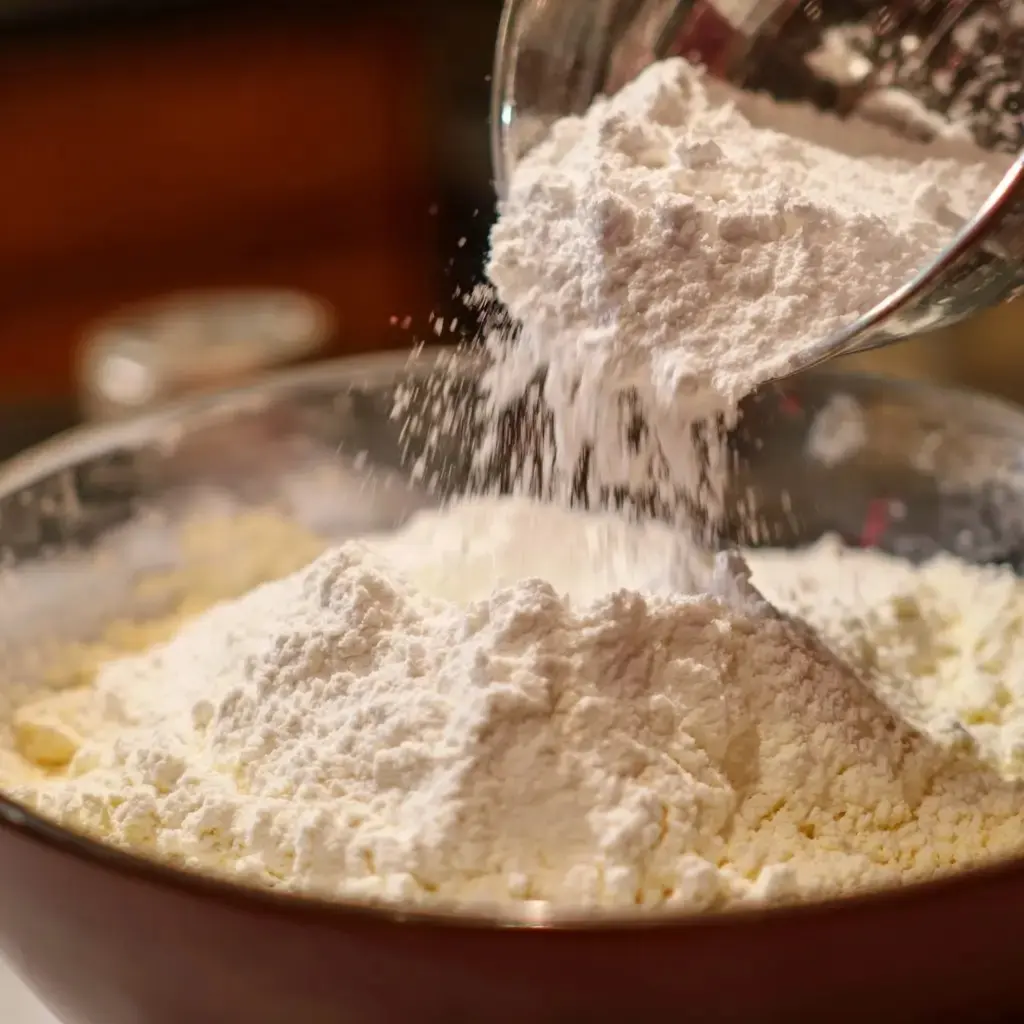
In a medium bowl, whisk together flour, baking powder, baking soda, and salt. Set aside.
Step 3: Cream Butter & Sugar
In a large mixing bowl, beat butter and sugar together until light and fluffy about 3-4 minutes with an electric mixer.
Step 4: Add Eggs & Vanilla
Beat in eggs one at a time, scraping down the bowl after each addition. Stir in vanilla extract.
Step 5: Combine Wet & Dry
Alternate adding the dry mixture with milk, beginning and ending with the dry. Mix gently until just combined don’t overmix, or your cake will lose its tenderness.
Step 6: Bake
Divide the batter evenly into the pans and bake for 25–30 minutes, or until a toothpick inserted in the center comes out clean. Cool completely before frosting.
Step 7: Frost & Assemble
Place one cake layer on a stand, spread buttercream, then repeat with the other layers. Frost the outside smoothly.
Step 8: Decorate with Ghosts
Roll fondant into small rounds, drape them over marshmallows, and draw little ghostly eyes and mouths with an edible marker. Arrange them on top of the cake, along with buttercream swirls or meringue ghosts for a playful haunted effect.
Decorating Ideas for Your Ghost Cake
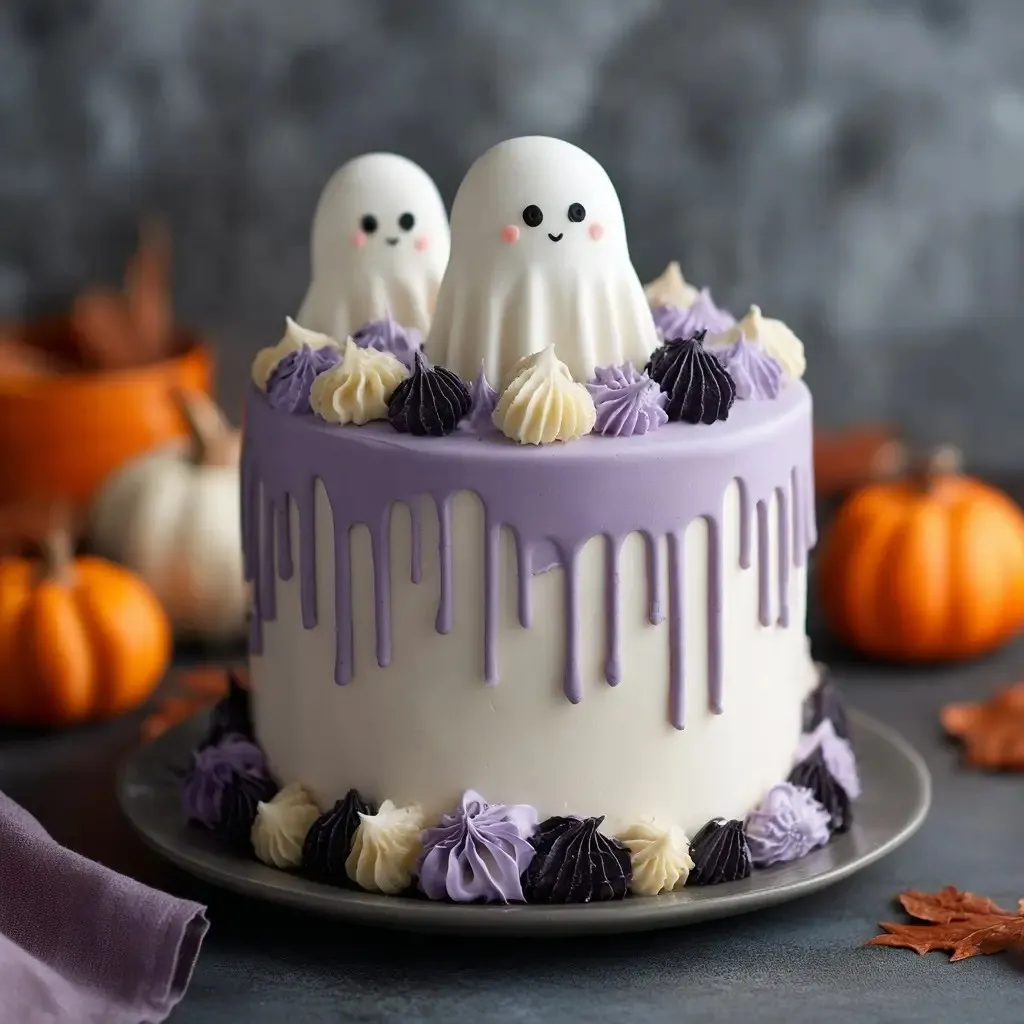
The fun really begins when you decorate. Here are some cozy and creative ways:
- Buttercream Ghosts: Use a piping bag with a round tip to pipe tall swirls of white frosting. Dot with black food coloring gel for eyes and a mouth.
- Fondant Drapes: Roll fondant thinly, cut into circles, and drape them over marshmallows for a flowing ghost effect.
- Meringue Spirits: Bake meringue swirls until crisp, then draw on faces with melted chocolate.
- Haunted Graveyard: Crush chocolate cookies for “dirt” and add cookie tombstones around your ghost cake.
- Shimmering Night Sky: Dust the cake with edible glitter or gold stars to give your ghosts a magical backdrop.
Decorating is where personality shines. Whether you want cute little Casper-like friends or eerie, shadowy ghosts, your imagination is the only limit.
Flavor Variations & Spooky Twists
One of my favorite things about Ghost Cake is how adaptable it is. Here are some delicious variations:
- Pumpkin Spice Ghost Cake: Add pumpkin puree and spices (cinnamon, nutmeg, ginger, cloves) to your batter. Pair with cream cheese frosting.
- Chocolate Graveyard Ghost Cake: Use a rich chocolate base, topped with crushed cookies and fondant tombstones.
- Cookies-and-Cream Ghost Cake: Fold crushed Oreos into both the batter and frosting for a cookies-and-cream dream.
- Red Velvet Ghost Cake: A hauntingly beautiful red cake with ghostly white cream cheese frosting.
- Vegan Ghost Cake: Substitute plant-based butter, non-dairy milk, and use aquafaba meringue for your ghosts.
Each variation brings its own personality, but the playful decorating remains the star.
Cake Troubleshooting: Common Mistakes & Fixes
Even in a cozy kitchen, things don’t always go as planned. Here’s how to save your Ghost Cake from common mishaps:
- Dry Cake: Add a brushing of simple syrup (sugar dissolved in water) between layers to moisten.
- Frosting Too Soft: If your buttercream feels runny, chill it for 10–15 minutes, then re-whip.
- Ghosts Sliding Off: Chill the frosted cake for 30 minutes before placing decorations.
- Fondant Cracking: Knead fondant well before rolling; if it’s too dry, rub with a little shortening.
- Uneven Layers: Use a serrated knife to level cakes before stacking.
Remember imperfections add charm. Ghosts aren’t supposed to look perfect!
Storing & Serving Ghost Cake
- Room Temperature: Keeps well for 1–2 days if your kitchen isn’t too warm.
- Refrigerator: Store covered for up to 5 days. Allow to come to room temp before serving.
- Freezing: Wrap slices tightly in plastic and freeze up to 2 months. Thaw in the fridge overnight.
For serving, I love pairing Ghost Cake with hot cocoa, chai lattes, or mulled apple cider. The warmth of the drinks balances the sweetness of the cake beautifully.
Ghost Cake as a Party Centerpiece
Your Ghost Cake isn’t just dessert it’s décor. Place it in the center of your Halloween spread, and watch it become the star. Here are some ways to elevate the presentation:
- Themed Table: Surround your cake with mini pumpkins, candle lanterns, and candy corn.
- Matching Treats: Add ghost cupcakes, sugar cookies shaped like bats, and caramel apples.
- For Kids: Keep the ghosts cute and friendly.
- For Adults: Go a little darker chocolate drips, cobweb spun sugar, or a black cocoa frosting base.
It’s more than cake it’s a celebration of the season.
Cozy Cake History & Lore
Every cake has a story, and I love sprinkling a little history into my baking. Here are some sweet tidbits:
- 1-2-3-4 Cake Rule: A memory-friendly cake formula 1 cup butter, 2 cups sugar, 3 cups flour, 4 eggs. A classic southern cake that’s rich and tender.
- Depression Cake: Born in the Great Depression, made without milk, eggs, or butter due to shortages. Sometimes called “Wacky Cake.”
- Devil’s Food Cake: A deeply chocolatey counterpart to angel food cake, dark and rich.
- The Unhealthiest Cake?: Likely the towering chocolate truffle cakes at restaurants, loaded with sugar, cream, and butter.
Our Ghost Cake may be playful, but it shares a sweet lineage with these iconic bakes.
FAQs
What is the unhealthiest cake?
Typically, the richest chocolate cakes laden with ganache, buttercream, and frosting take the crown. They’re indulgent, but best enjoyed in moderation.
What is the 1-2-3-4 cake rule?
It’s a simple recipe ratio: 1 cup butter, 2 cups sugar, 3 cups flour, 4 eggs. A classic guideline for layer cakes.
Why is it called a depression cake?
Because it was created during the Great Depression, when ingredients like milk, eggs, and butter were scarce. Cooks improvised with simple, affordable ingredients.
What is Devil’s Food Cake called?
It’s the established name for a rich, dark chocolate cake. The “devil” contrasts with the lightness of angel food cake.
For mor recipes cake follow me in Facebook
Conclusion
As I look at my finished Ghost Cake, perched proudly on its pedestal, I feel that mix of delight and nostalgia that only seasonal baking brings. It’s more than sugar and flour it’s the joy of gathering loved ones, the thrill of playful decorating, and the comfort of something homemade and heartfelt.
Whether you choose a classic vanilla base or go bold with chocolate or pumpkin spice, the magic of Ghost Cake is in its creativity. Each swirl of frosting, each little ghost face, becomes part of the story you tell. And when your guests slice in, they’re not just tasting cake they’re sharing in a memory.
So, my friend, I invite you to tie on your apron, gather your ingredients, and let a little Halloween spirit float into your kitchen. Bake it, decorate it, and most importantly, enjoy every bite. After all, life’s too short not to celebrate with cake.