
Strawberry glaze is the glossy, ruby-red finishing touch that can transform any dessert from ordinary to irresistible. Whether drizzled over cheesecakes, spooned onto fresh pastries, or layered on a fruit tart, its sweet-tangy flavor and vibrant color bring both beauty and taste to the table. In this guide, we’ll explore everything you need to know about strawberry glaze from essential ingredients and step-by-step recipes to creative uses, storage tips, and expert fixes for common mistakes. Along the way, we’ll also share variations, nutritional insights, and answers to the most common questions people have about making strawberry glaze at home. Looking for inspiration? Try our Mini Bundt Cake Recipes for the perfect pairing.
Introduction to Strawberry Glaze
What is Strawberry Glaze?
Strawberry glaze is a sweet, glossy sauce made primarily from strawberries, sugar, and a thickening agent. It’s the secret weapon in bakeries and home kitchens for adding flavor, color, and a touch of elegance to desserts. Whether fresh or frozen strawberries are used, the goal is always the same to create a topping that’s vibrant, smooth, and bursting with natural berry sweetness.
Why Strawberry Glaze is a Game-Changer in Desserts
A well-made strawberry does more than just taste good it elevates the look of your dessert. Imagine a plain cheesecake versus one crowned with a shimmering layer of strawberry glaze. The visual appeal is undeniable, and the taste… well, it’s like summer captured in a spoonful. Beyond aesthetics, strawberry glaze also locks in moisture, adds complementary tartness to rich desserts, and provides a natural pop of color without artificial dyes.
Ingredients for the Perfect Strawberry Glaze
When it comes to making an irresistible strawberry glaze, the magic starts with quality ingredients. Each element contributes to the taste, texture, and shine of the final glaze, so choosing wisely is key.
Fresh vs. Frozen Strawberries
The first choice you’ll make is whether to use fresh or frozen strawberries. Fresh strawberries bring a bright, vibrant flavor that shines in spring and summer when berries are at their peak. Their natural sweetness often means you can cut back on added sugar. Frozen strawberries, on the other hand, are available year-round and are typically frozen at peak ripeness, which preserves their flavor. They do release more liquid as they thaw, which can help create a smooth sauce, but may require a little extra thickening.
| Strawberry Type | Best Season | Flavor Profile | Texture | Notes |
|---|---|---|---|---|
| Fresh | Spring/Summer | Bright & sweet | Firm | Best for fresh flavor & vibrant color |
| Frozen | All year | Deep & consistent | Softer | Great for sauces, adjust for extra moisture |
Pro tip: If using frozen berries, let them thaw completely before cooking and drain excess juice to avoid a runny glaze.
Choosing the Right Sweeteners for Your Glaze
The sweetener you choose shapes both the flavor and the stability of your strawberry glaze. Granulated white sugar is the go-to for most bakers thanks to its clean, predictable sweetness. Powdered sugar gives a softer texture and a more delicate mouthfeel. If you prefer a natural twist, honey or maple syrup can add depth and complexity, though they’ll slightly change the flavor profile.
Some bakers also try low-calorie sweeteners like stevia or monk fruit to create a lighter, sugar-free glaze. No matter which you choose, balance is everything too much sweetener can drown out the natural strawberry taste, while too little can leave your glaze tasting flat.
Step-by-Step Guide on How to Make Strawberry Glaze
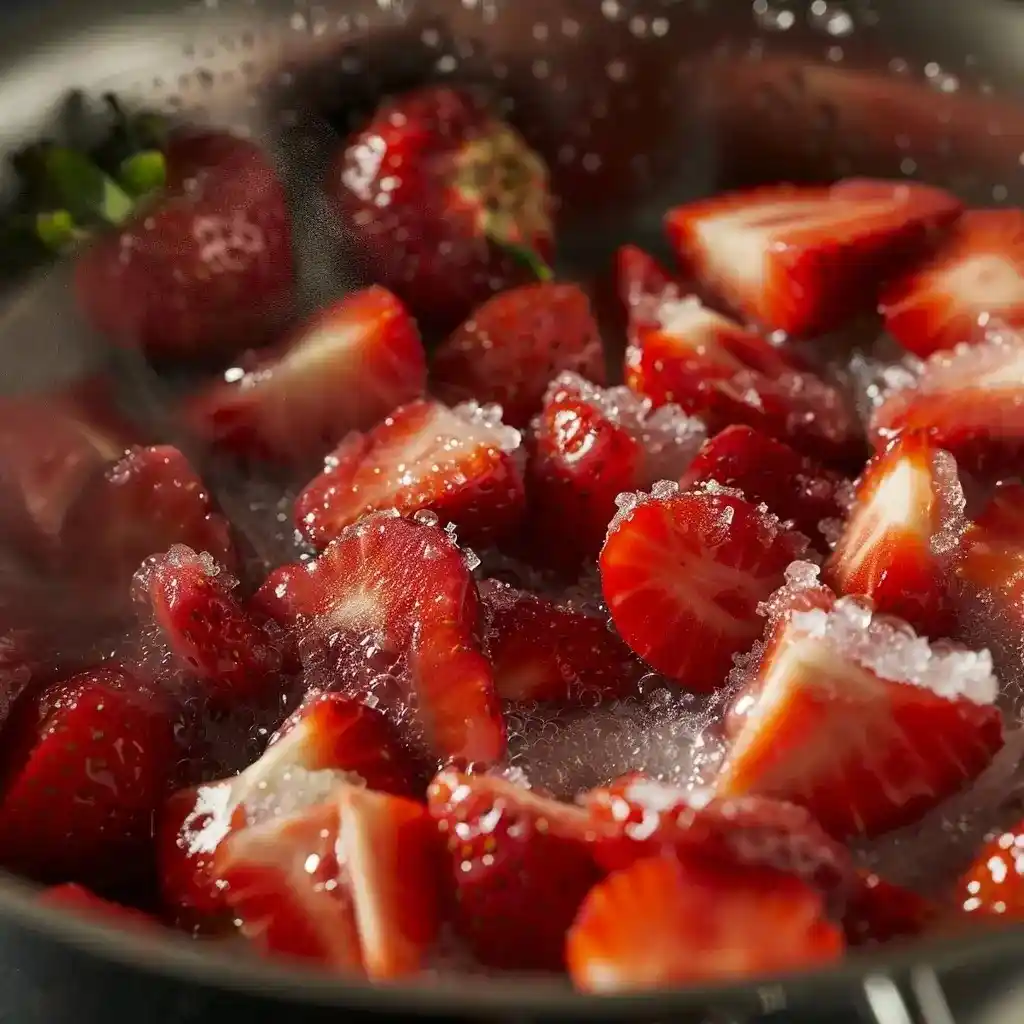
Making strawberry glaze at home is simpler than it looks, and the results are fresher, more flavorful, and far more rewarding than anything store-bought. With the right technique, you can achieve a glossy, smooth glaze that clings beautifully to cakes, pies, and pastries.
Classic Homemade Strawberry Glaze Recipe
Ingredients
- 2 cups fresh or frozen strawberries (hulled and sliced)
- ½ cup granulated sugar (adjust to taste)
- 2 tablespoons cornstarch
- ½ cup water
- 1 teaspoon fresh lemon juice
Instructions
- Prepare the strawberries – If using fresh strawberries, wash, hull, and slice them. For frozen berries, thaw completely and drain excess liquid.
- Cook the base – In a medium saucepan over medium heat, combine strawberries, sugar, and ¼ cup of water. Stir occasionally until the strawberries soften and release their juices (about 5 minutes).
- Blend for smoothness – For a silky glaze, use an immersion blender to puree the mixture right in the pot, or transfer it to a blender and return it to the pan. Skip this step if you prefer a chunky texture.
- Thicken the glaze – In a small bowl, whisk the cornstarch into the remaining ¼ cup of water until smooth. Slowly pour this slurry into the strawberry mixture while stirring continuously.
- Simmer and finish – Continue cooking until the glaze thickens and turns glossy, about 2–3 minutes. Stir in the lemon juice to brighten the flavor.
- Cool before using – Let the glaze cool to room temperature before spreading or drizzling over your dessert.
Pro Tips for a Smooth, Shiny Finish
- Low and slow – Avoid boiling the glaze too aggressively, as this can break down the fruit and cause cloudiness.
- Cornstarch control – Too much cornstarch can create a rubbery texture; too little won’t thicken enough. Measure carefully.
- Lemon juice last – Adding the lemon juice at the end preserves its fresh, citrusy brightness.
- Glaze while slightly warm – This makes it easier to spread evenly over cakes or pastries without tearing the surface.
Check out our Dubai Chocolate Cake Recipe for a decadent base that pairs surprisingly well with a strawberry glaze topping.
Variations of Strawberry Glaze Recipes
One of the best things about strawberry glaze is its flexibility. Whether you’re watching your sugar intake, short on time, or simply want to experiment, there’s a version to fit every occasion.
Sugar-Free Strawberry Glaze
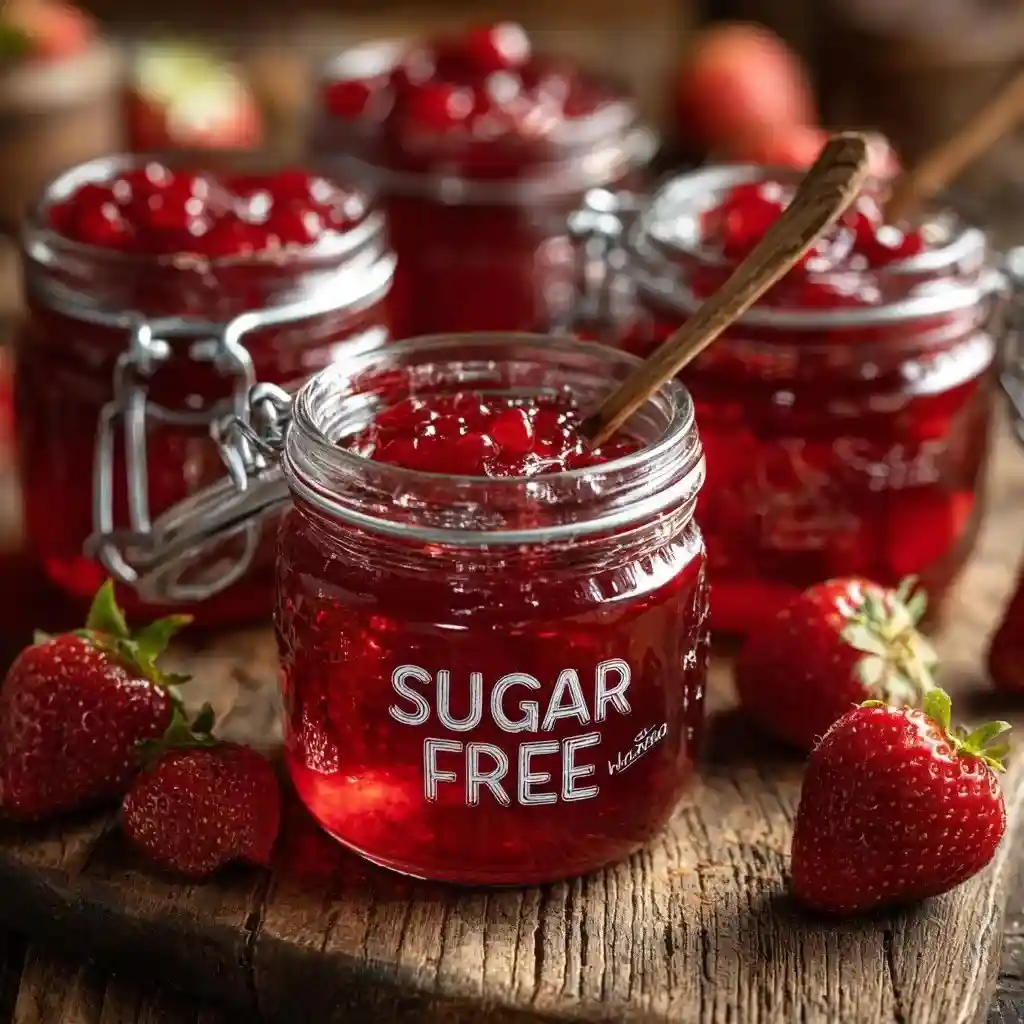
For a lighter version, you can swap out traditional sugar for low-calorie sweeteners like monk fruit, erythritol, or stevia. This is a great option for diabetics or those cutting back on sugar without sacrificing flavor.
Ingredients
- 2 cups fresh or frozen strawberries
- ½ cup water (split in half)
- 3 tablespoons powdered erythritol (or equivalent sweetener)
- 2 tablespoons cornstarch
- 1 teaspoon lemon juice
Method
- Cook strawberries and half the water until soft.
- Puree for smoothness, then return to the pan.
- Whisk cornstarch into the remaining water and add to the strawberry mixture.
- Sweeten to taste and simmer until glossy.
- Stir in lemon juice before cooling.
Tip: Erythritol works best for a smooth finish since it dissolves more evenly than some sweeteners.
3-Ingredient Quick Strawberry Glaze
Perfect for last-minute desserts, this shortcut recipe is ready in under 10 minutes.
Ingredients
- 1 cup strawberry jam
- 2 tablespoons water
- 1 teaspoon lemon juice
Method
- Add jam and water to a small saucepan over low heat.
- Stir until the jam loosens into a smooth sauce.
- Remove from heat and stir in lemon juice.
This version won’t have the same freshness as one made from whole strawberries, but it’s a lifesaver when you’re short on time.
Don’t miss our Sugar Cookie Cake it’s a perfect base for experimenting with different types of strawberry glaze.
Using Strawberry Glaze in Desserts
Strawberry isn’t just a finishing touch it’s a versatile ingredient that can transform the look and flavor of almost any dessert. From adding shine to cakes to becoming the star of a fruit tart, this simple topping can elevate your baking game in minutes.
Topping Cakes, Cheesecakes, and Pies
One of the most popular uses for strawberry is as a topping for cheesecakes and pies. Its glossy finish and vibrant color make even a simple dessert look bakery-worthy. Spread it over a chilled cheesecake for a showstopping presentation, or spoon it over a freshly baked pie to lock in moisture and add a burst of berry flavor.
Layer cakes also benefit from a thin coating of strawberry glaze between tiers. It acts as both a flavor booster and a natural barrier to keep the cake moist. For Bundt cakes, drizzle the glaze while it’s still slightly warm so it flows beautifully over the ridges.
Creative Ways to Use Strawberry Glaze Beyond Baking
- Pancakes and Waffles – Swap out maple syrup for a fruity twist.
- Yogurt Parfaits – Layer with granola and fresh fruit for a quick breakfast.
- Ice Cream Topping – Warm it slightly for a sauce that hardens into a chewy layer over frozen desserts.
- Fruit Salad Dressing – Thin with a splash of orange juice and toss with mixed berries.
- Cocktail Mixer – Add a spoonful to champagne or lemonade for a colorful, sweet finish.
With just a little creativity, strawberry can go from being an afterthought to the main attraction in your dish.
Looking for inspiration? Try our Bluey Cake Ideas they can easily be paired with a vibrant strawberry glaze for an extra pop of flavor and color.
Storage and Shelf Life of Strawberry Glaze
Making a fresh batch of strawberry is wonderful, but knowing how to store it properly ensures you can enjoy its vibrant flavor and glossy texture for days or even months later.
How to Store in the Fridge or Freezer
For short-term storage, place your cooled strawberry in an airtight container or glass jar. Store it in the refrigerator for up to 5–7 days. Always use a clean spoon when scooping it out to prevent introducing bacteria, which can shorten its freshness.
If you want to keep it longer, freezing is a great option. Spoon the glaze into freezer-safe containers or silicone ice cube trays for easy portioning. Once frozen, transfer the cubes to a resealable freezer bag. This way, you can thaw just the amount you need.
When ready to use frozen glaze, let it thaw overnight in the fridge. If it separates slightly, whisk it gently or warm it over low heat to bring it back to a smooth consistency.
How Long Does Strawberry Glaze Last?
- Refrigerator: 5–7 days
- Freezer: Up to 3 months
- Room Temperature: Not recommended due to the fruit content and risk of spoilage
Signs that your glaze has gone bad include an off smell, discoloration, or mold. When in doubt, throw it out no dessert is worth the risk.
Don’t miss our Gluten-Free Ice Cream Cake top it with strawberry for a naturally gluten-free, fruity finish.
Health and Nutrition Aspects of Strawberry Glaze
While strawberry is undeniably delicious, it’s worth taking a closer look at its nutritional profile especially if you’re mindful about sugar intake or following a specific diet.
Calories, Sugar Content, and Healthier Alternatives
A typical serving of homemade strawberry glaze (about 2 tablespoons) contains roughly 40–50 calories and 8–10 grams of sugar, depending on the recipe. Store-bought versions may have even more sugar, plus preservatives and artificial colorings.
If you want to lighten things up without sacrificing flavor, there are several options:
- Reduce the sugar in your recipe and rely on naturally sweet, ripe strawberries.
- Use natural sweeteners like honey, maple syrup, or agave nectar for added depth.
- Go sugar-free with monk fruit or stevia these sweeteners keep calories low while still delivering sweetness.
For added nutrition, you can even blend in chia seeds, which help thicken the glaze naturally and provide fiber, omega-3s, and protein.
Strawberry Glaze for Special Diets (Gluten-Free, Vegan)
The good news is that most homemade strawberry glaze recipes are naturally gluten-free, as they don’t require wheat-based thickeners. Just double-check that your cornstarch or arrowroot powder is certified gluten-free to avoid cross-contamination.
For a vegan strawberry glaze, simply avoid using any animal-based ingredients. Since the classic recipe doesn’t contain dairy or eggs, it’s already vegan-friendly but if you swap in honey as a sweetener, replace it with maple syrup or agave nectar to keep it fully plant-based.
With these small adjustments, strawberry glaze can fit into a wide range of dietary needs without losing its flavor or visual appeal.
FAQs About Strawberry Glaze
How do you make a strawberry glaze?
To make a simple strawberry glaze, cook sliced strawberries with sugar and water until they soften, then blend until smooth. Add a cornstarch slurry to thicken, and finish with a splash of lemon juice for brightness. Cool before using for the best consistency.
How do you make homemade strawberry sauce?
Homemade strawberry sauce is similar to glaze but often looser in texture. Simmer fresh or frozen strawberries with sugar and lemon juice until syrupy, then mash or blend to your desired consistency. It’s perfect for pancakes, ice cream, and waffles.
Conclusion
Strawberry glaze is more than just a pretty topping it’s a versatile, flavor-packed addition that can elevate everything from cheesecakes to pancakes. Whether you stick with the classic recipe, try a sugar-free version, or whip up a quick 3-ingredient glaze, the beauty of this sweet sauce is how easily it can be tailored to your taste and dietary needs.
In Elena’s kitchen, strawberry glaze is more than a recipe it’s a memory, a tradition, and a way to connect with the people and moments that matter most. From fresh-picked berries in summer to frozen fruit on a winter day, every batch carries the same warmth and joy that inspired this blog.
So the next time you’re baking, try adding a glossy layer of strawberry glaze. It might just be the simple touch that turns an everyday dessert into something unforgettable.
Looking for inspiration? Try our Gluten-Free Ice Cream Cake with a generous drizzle of strawberry glaze a perfect pairing for any celebration.
for mor recipes cake follow me in Facebook