
Picture a crisp autumn evening, the kind where golden leaves tumble outside and a soft chill encourages you to stay inside, cozy and warm. In my kitchen, the oven hums gently, filling the air with the sweet aroma of cinnamon, nutmeg, and butter melting together. That’s when I first discovered the magic of Sweet Potato Pound Cake. I never expected such a humble recipe to become one of the most comforting treats in my baking repertoire.
Pound cake, or “quatre-quarts” as it’s known in France, has a long-standing reputation: dense, rich, and satisfying, yet sometimes prone to dryness if not prepared with care. But here’s the secret twist introducing sweet potato into the batter changes everything. The creamy puree adds natural sweetness, vibrant flavor, and above all, incredible moisture that transforms a simple pound cake into a melt-in-your-mouth masterpiece.
In this article, I’ll walk you step by step through the process of creating the perfect Sweet Potato Pound Cake. We’ll chat about the cake’s origins, the essential ingredients you’ll need, and the importance of choosing the right pan for even baking. I’ll also share my personal baking secrets to keep your pound cake moist and tender, plus the most common mistakes to avoid because trust me, I’ve made them all before learning the right way!
Along the way, I’ll offer a few variations and serving suggestions so you can make this cake your own. And since many of you love digging into the stories behind recipes, I’ll also answer some fun and practical FAQs like why some cakes are still called “Depression cake,” or what “potato cakes” mean in different parts of America.
So, pour yourself a cup of tea, tie on your apron, and join me in the kitchen. Let’s bake a Sweet Potato Pound Cake that will not only fill your home with the warmest aroma but also bring joy to anyone lucky enough to share a slice with you.
- For mor recipes follow me in Facebook
- you can visit similar cake belong to the category classic cakes : Pumpkin Spice Layer Cake
What is a Pound Cake (and why Sweet Potato Pound Cake)?
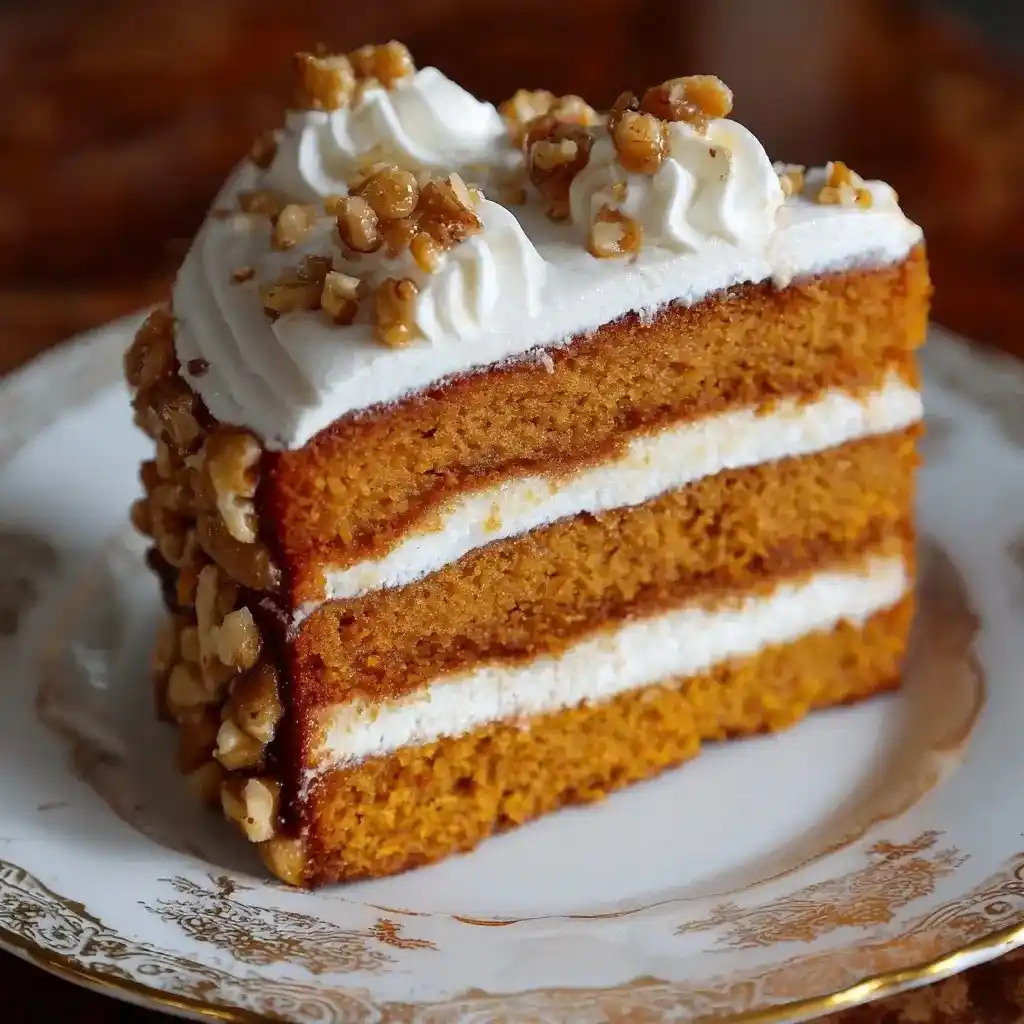
Pound cake is one of those recipes that has stood the test of time. Its origins date back to 18th-century Europe, where it earned its name from the traditional ratio: one pound each of flour, sugar, butter, and eggs. This simple formula created a cake that was rich, dense, and filling perfect for celebrations or teatime. Over the centuries, bakers began to tweak the recipe, adjusting measurements and adding flavorings like vanilla, citrus zest, or spices.
But pound cake, for all its charm, has one notorious flaw: it can be a little dry if baked without enough moisture. That’s where sweet potatoes come to the rescue. Naturally creamy and lightly sweet, mashed sweet potatoes blend seamlessly into the batter, lending a moist, velvety texture. They not only enhance the structure of the cake but also bring subtle notes of earthiness and caramel-like sweetness. It’s almost as if pound cake was waiting for sweet potatoes all along.
Adding sweet potato also gives this classic dessert a nutritional boost. Sweet potatoes are rich in fiber, vitamins A and C, and antioxidants making this cake a touch more wholesome without losing its indulgent character. The warm spices that often accompany sweet potato think cinnamon, nutmeg, or even a whisper of ginger elevate the flavor and make every bite feel like a cozy hug.
In my kitchen, Sweet Potato Pound Cake has become a seasonal favorite, especially in fall and winter. It bridges the gap between rustic comfort food and elegant dessert, making it just as welcome on a Thanksgiving table as it is at a simple Sunday tea. It’s proof that even the most traditional recipes can be refreshed with a little creativity, turning something familiar into something extraordinary.
Ingredients You’ll Need
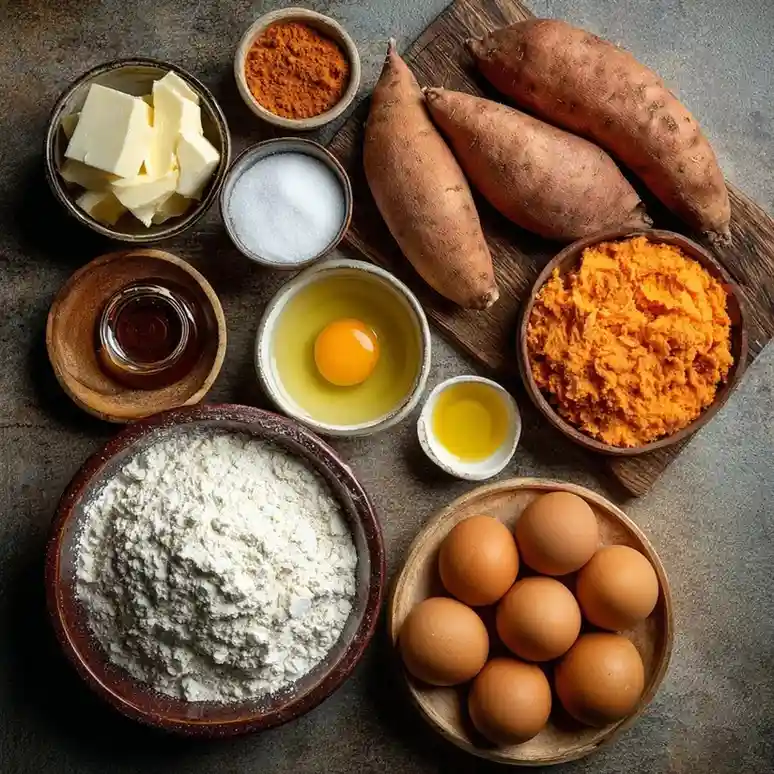
Every great cake begins with simple, quality ingredients, and Sweet Potato Pound Cake is no exception. What makes this recipe so special is how ordinary pantry staples transform into something rich, moist, and unforgettable with just a little care. Let’s take a look at what you’ll need:
- Sweet Potatoes – The star of the show. Choose firm, orange-fleshed sweet potatoes for the best flavor and color. You can roast, boil, or steam them before mashing. Roasting, however, deepens their sweetness and adds a caramelized note that makes the cake irresistible.
- Butter – Use real, unsalted butter at room temperature. It gives the pound cake its classic richness while allowing you to control the salt level.
- Sugar – Granulated sugar is traditional, but I love using a mix of white and light brown sugar. The brown sugar adds a hint of molasses that pairs beautifully with the sweet potato.
- Eggs – Large eggs, also at room temperature, bind the ingredients together and help the cake rise. Adding them one at a time ensures a smooth batter.
- Flour – All-purpose flour is perfect here. Be sure to measure it carefully (spoon and level rather than scooping) to avoid a dense cake.
- Baking Powder & Baking Soda – A little extra lift keeps the pound cake from feeling too heavy.
- Warm Spices – Cinnamon, nutmeg, and sometimes a touch of ginger or cloves bring that cozy, autumnal flavor we all love.
- Vanilla Extract – Just a splash rounds everything out.
- Optional Extras – Sour cream or yogurt can be added for extra moisture, while orange zest or a citrus glaze can brighten the flavor. Some bakers even fold in chopped pecans or walnuts for crunch.
Each ingredient has a purpose, and together they create the perfect balance of texture and taste. In my kitchen, I like to set all the ingredients out ahead of time, letting them come to room temperature while the sweet potatoes cool after roasting. It’s a small step that makes a world of difference in the final cake.
What Makes Sweet Potato Pound Cake Special?
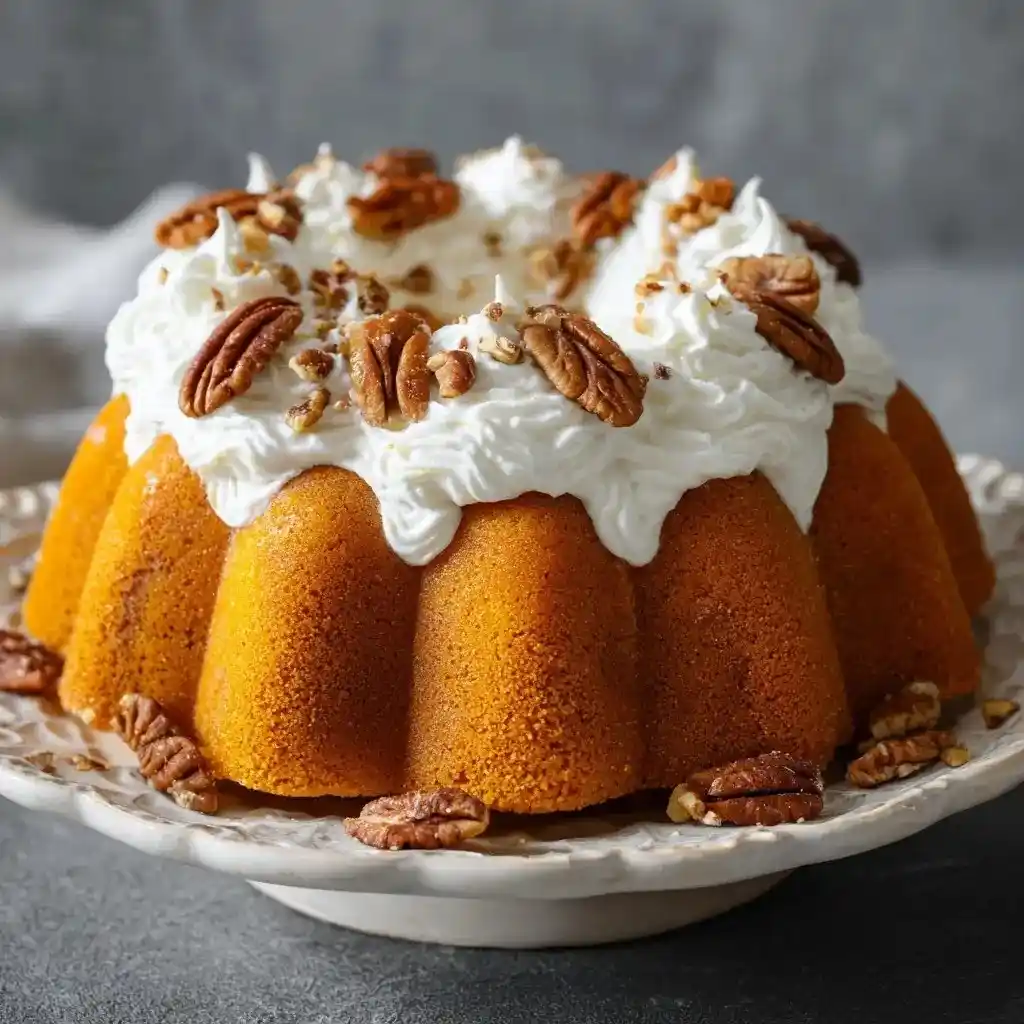
Sweet potato pound cake is more than just a variation of the classic it’s a dessert with heart, history, and flavor that stands out on any table.
A Rich History with Southern Roots
The original pound cake dates back to 18th-century Europe, where it earned its name by using one pound each of flour, sugar, butter, and eggs. Over the years, the recipe traveled, evolved, and found its place in Southern kitchens, where bakers began adding their own twist. One of the most beloved adaptations? Sweet potato pound cake.
In the South, sweet potatoes have long been a staple, appearing in casseroles, pies, and breads. They brought sweetness and nourishment to families through both abundant harvests and hard times. Incorporating them into pound cake was a natural step a way to add moisture, depth of flavor, and a touch of tradition to a beloved classic.
Flavor and Texture That Stand Out
Unlike a plain pound cake, sweet potato pound cake offers layers of flavor. The natural sweetness of roasted sweet potatoes blends beautifully with warm spices like cinnamon, nutmeg, and vanilla. The result? A cake that’s rich but balanced, sweet but not overwhelming.
Texture-wise, sweet potatoes bring an unmatched moistness. They help the cake stay tender for days, making it perfect for baking ahead for holidays or family gatherings. The crumb is dense yet soft, giving each slice that melt-in-your-mouth quality pound cakes are famous for.
A Dessert for Every Occasion
What truly makes sweet potato pound cake special is its versatility. It’s elegant enough for a Thanksgiving dessert table yet simple enough to serve at Sunday dinner. It can be dressed up with a cream cheese glaze, sprinkled with powdered sugar for a rustic touch, or enjoyed plain with a cup of coffee.
Every slice tells a story of Southern traditions, family gatherings, and the simple joy of homemade baking. That’s what makes this cake not just special, but unforgettable.
Equipment & Pan Choice
When it comes to baking a Sweet Potato Pound Cake, the ingredients are only half the story. The tools you use can make all the difference between a cake that bakes evenly and one that struggles to rise. Luckily, you don’t need a professional kitchen just a few reliable pieces of equipment and a little preparation.
First, let’s talk about pans. Pound cake is traditionally baked in either a Bundt pan, a tube pan, or sometimes a simple loaf pan. Each has its charm:
- A Bundt pan creates that beautiful ring shape with ridges and curves, perfect for catching glaze or powdered sugar.
- A tube pan (the kind often used for angel food cakes) allows for even baking thanks to the center tube conducting heat into the middle of the cake.
- Loaf pans are a bit more casual, giving you a rustic loaf that’s perfect for slicing thick pieces with coffee or tea.
No matter which pan you choose, preparation is key. Because pound cakes are dense, they can be stubborn about sticking. Grease your pan generously with butter or shortening, then dust lightly with flour. Some bakers like to use a baking spray that already contains flour, which is a convenient option. If you’re using a Bundt pan with intricate designs, take extra care to get into every corner trust me, there’s nothing sadder than losing half your cake to the pan.
Beyond the pan, a stand mixer or hand mixer is your best friend for creaming the butter and sugar properly. You’ll also want a sturdy spatula for folding in ingredients, a whisk for dry mixes, and measuring cups and spoons for accuracy.
Finally, don’t forget your cooling rack. Allowing the cake to cool properly outside the pan helps preserve its tender crumb and prevents sogginess at the bottom. With the right equipment, your Sweet Potato Pound Cake will not only bake beautifully but also look as good as it tastes.
Step-by-Step Process

Sweet Potato Pound Cake
Ingredients
Equipment
Method
- Roast or boil sweet potatoes until fork-tender. Peel, mash, and let them cool completely before using.
- Preheat oven to 325°F (165°C). Grease and flour your Bundt, tube, or loaf pan thoroughly.
- In a mixer, cream butter with both sugars for 3–5 minutes until pale and fluffy.
- Add eggs one at a time, mixing well after each addition to keep the batter smooth.
- In a separate bowl, whisk flour, baking powder, baking soda, and spices. Alternate adding dry ingredients and mashed sweet potatoes to the batter. Add sour cream/yogurt, nuts, and zest if using.
- Pour batter into pan, smooth the top, and bake for 60–75 minutes. A skewer should come out clean or with moist crumbs.
- Cool in pan for 10–15 minutes. Remove to wire rack to cool fully. Glaze or dust with powdered sugar before serving.
Nutrition
Notes
Tried this recipe?
Let us know how it was!Baking a Sweet Potato Pound Cake is less about rushing through steps and more about enjoying the rhythm of the process. Each stage builds flavor and texture, so let’s walk through it together as if we’re side by side in the kitchen.
Step 1: Prepare the sweet potatoes.
Start by roasting or boiling your sweet potatoes until tender. I personally love roasting because it intensifies their natural sweetness and gives a slightly caramelized flavor. Once soft, peel and mash them until smooth. Let them cool completely adding hot mash to your batter could melt the butter and throw off the texture.
Step 2: Preheat and prepare the pan.
Set your oven to 325°F (165°C). Low and steady heat is the secret to baking pound cakes evenly. Grease and flour your Bundt, tube, or loaf pan thoroughly, making sure no crevice is left uncovered.
Step 3: Cream butter and sugar.
In your mixer, beat the softened butter and sugar together until light and fluffy. This step is crucial it incorporates air into the batter, giving the cake lift. Don’t rush; a good 3–5 minutes of mixing makes all the difference.
Step 4: Add eggs, one at a time.
Crack in each egg separately, allowing it to fully blend before adding the next. This keeps the batter smooth and prevents curdling.
Step 5: Combine dry and wet ingredients.
In a separate bowl, whisk together flour, baking powder, baking soda, and spices. Alternate adding the dry mixture with the mashed sweet potatoes (and sour cream or yogurt if using), starting and ending with dry. Mix gently overmixing can make the cake dense.
Step 6: Bake.
Pour the batter into your prepared pan, smoothing the top. Bake for 60–75 minutes, depending on the pan. The cake is ready when a skewer inserted in the center comes out clean.
Step 7: Cool and glaze.
Allow the cake to cool in the pan for 10–15 minutes before turning it onto a wire rack. Once fully cooled, drizzle with a glaze or dust with powdered sugar.
And there you have it the perfect balance of rich pound cake and sweet potato magic, ready to be sliced and savored.
Secrets to a Moist Pound Cake
If you’ve ever bitten into a pound cake that was dry or crumbly, you know how disappointing it can be. The truth is, pound cake has a reputation for being dense and while that’s part of its charm, it doesn’t have to be dry. The Sweet Potato Pound Cake gives us a head start with its naturally moist base, but there are a few tried-and-true tricks I swear by to ensure it comes out soft and luscious every single time.
1. Use room temperature ingredients.
Butter, eggs, and even your sweet potato puree should all be at room temperature before mixing. This ensures they blend seamlessly, creating a smooth batter that traps air for a tender crumb. Cold ingredients don’t mix as well and can make the cake heavy.
2. Don’t skimp on creaming.
Creaming butter and sugar until pale and fluffy isn’t just tradition it’s science. This step incorporates tiny air pockets that expand in the oven, giving your cake structure and a delicate texture.
3. Measure flour carefully.
Too much flour is the quickest path to a dry cake. Always spoon flour into your measuring cup and level it off rather than scooping directly from the bag, which compacts the flour and leads to extra.
4. Don’t overmix.
Once you start adding flour, mix only until everything is combined. Overmixing develops too much gluten, leaving you with a tough cake instead of a tender one.
5. Bake low and slow.
A pound cake needs gentle heat to bake evenly. I stick with 325°F (165°C). Higher temperatures risk overbaking the edges while leaving the center raw.
6. Lock in the moisture.
Once baked, let your cake cool completely and store it well. Wrapping it in plastic wrap or keeping it in an airtight container helps retain its softness for days.
With these little adjustments, your Sweet Potato Pound Cake will always come out moist, flavorful, and ready to melt in your mouth.
Common Mistakes to Avoid
Even the most seasoned bakers have had a pound cake go wrong myself included. Pound cake may look simple, but a few small missteps can turn a moist, tender loaf into something dry, dense, or unevenly baked. Here are the most common mistakes I see (and the ones I’ve learned from in my own kitchen) when making Sweet Potato Pound Cake.
Using cold ingredients.
Butter that’s too firm or eggs straight from the fridge don’t blend smoothly, leaving lumps in the batter and preventing the proper incorporation of air. Always give your ingredients time to warm to room temperature before you begin.
Overmixing the batter.
Once flour is added, stir gently. Overmixing encourages too much gluten development, which results in a chewy or rubbery texture. A pound cake should be dense but tender, never tough.
Adding too much flour.
Scooping flour directly from the bag often packs in extra, which dries out your cake. The spoon-and-level method ensures accuracy.
Underbaking or overbaking.
A cake pulled out too soon will collapse in the center, while one left too long will be dry. Keep an eye on your cake from the 60-minute mark, testing with a skewer. It should come out clean or with just a few moist crumbs.
Not preparing the pan properly.
Pound cakes are notorious for sticking, especially in Bundt pans with decorative ridges. Grease and flour every corner of the pan or use a baking spray with flour included to avoid heartbreak at release time.
Rushing the cooling process.
Turning out the cake too early can cause it to break apart, but leaving it in the pan too long traps steam and makes the bottom soggy. Ten to fifteen minutes is just right.
Avoid these mistakes, and your Sweet Potato Pound Cake will come out beautiful every single time golden, fragrant, and ready to wow.
Variations & Serving Suggestions
One of the reasons I love Sweet Potato Pound Cake is its versatility. The base recipe is already moist, fragrant, and delicious on its own, but a few small tweaks can transform it into something new for every occasion. Let’s explore some variations and serving ideas that make this cake truly shine.
Flavor Variations
- Citrus Kiss: Add the zest of an orange or lemon to the batter for a bright, refreshing twist. A simple citrus glaze drizzled on top balances the warm spices beautifully.
- Nutty Delight: Fold in a cup of toasted pecans or walnuts for added crunch. Their buttery flavor pairs perfectly with the earthiness of sweet potato.
- Spiced Up: Love bold flavors? Try adding a pinch of cardamom, allspice, or cloves along with the cinnamon and nutmeg for an extra layer of cozy warmth.
- Chocolate Swirl: Mix a portion of the batter with cocoa powder and swirl it through before baking because who doesn’t love a little chocolate with their spice cake?
Serving Suggestions
- With a Glaze: A silky cream cheese glaze or brown butter glaze turns this humble cake into an elegant dessert worthy of a holiday table.
- Simply Dusted: A sprinkle of powdered sugar before serving keeps things rustic and lets the cake itself shine.
- With Ice Cream: A warm slice paired with vanilla or butter pecan ice cream is pure comfort food heaven.
- For Breakfast: Don’t limit yourself to dessert thick slices make a cozy breakfast alongside a hot cup of coffee or chai.
Presentation Tips
Serve it on a rustic wooden board for a homestyle feel, or dress it up on a cake stand with a drizzle of glaze and candied pecans scattered on top. This cake is as flexible as it is delicious it can be dressed up for holidays or kept simple for everyday indulgence.
FAQs About Sweet Potato Pound Cake
What’s the secret to a moist pound cake?
The secret lies in a few simple but powerful steps. First, use room-temperature ingredients this helps butter, eggs, and sweet potato puree blend smoothly for a silky batter. Second, cream the butter and sugar thoroughly until pale and fluffy; this builds air into the cake for lightness. Third, measure flour carefully using the spoon-and-level method to avoid adding too much. Finally, bake low and slow at 325°F (165°C). Rushing with high heat can dry out the edges before the center cooks through. Sweet potatoes themselves are a natural moisture booster, which makes this particular pound cake wonderfully forgiving.
What are some common mistakes to avoid when making pound cake?
There are a few classic traps many bakers fall into. Overmixing the batter after adding flour is one of the biggest culprits it develops too much gluten, leaving the cake dense and tough. Using cold butter or eggs can also cause uneven mixing. Another common mistake is neglecting to prepare the pan properly; pound cake is dense and can stick easily, especially in Bundt pans. And finally, watch your bake time carefully. Underbaking leaves the center raw, while overbaking dries everything out. A cake tester or skewer is your best friend look for just a few moist crumbs, not wet batter.
What do they call potato cakes in America?
The term “potato cake” in America can mean a few different things depending on where you are. In some regions, it refers to small patties made from leftover mashed potatoes, often pan-fried until golden. In others, it might describe potato pancakes (similar to latkes) or even a simple fried slice of potato. While “sweet potato pound cake” is a specific dessert, “potato cakes” in general are more savory, everyday comfort foods. It’s one of those phrases that changes meaning across the map, adding a bit of charm to American food culture.
Why is it called Depression cake?
“Depression cake,” sometimes called “wacky cake” or “war cake,” earned its name during the Great Depression of the 1930s. Ingredients like eggs, butter, and milk were scarce and expensive, so bakers learned to make cakes without them. Instead, they used pantry staples like flour, sugar, vinegar, and baking soda to create a moist, flavorful dessert. While very different from a rich pound cake, Depression cake reminds us of the resilience and creativity of home bakers during tough times. It’s a piece of history that continues to inspire recipes today.
Conclusion
There’s something so comforting about a recipe that feels both timeless and fresh, and Sweet Potato Pound Cake is exactly that. At its heart, it’s a classic pound cake rich, buttery, and satisfyingly dense but the sweet potato transforms it into something extraordinary: moist, tender, and filled with cozy flavor.
Baking this cake is more than just following steps. It’s about slowing down, savoring the aromas that fill your kitchen, and enjoying the little rituals creaming butter and sugar until fluffy, testing for doneness with a skewer, or waiting (sometimes impatiently!) for the cake to cool before slicing. It’s in these small, everyday moments that baking becomes not just a chore, but a joy.
What I love most about this cake is its versatility. It can be dressed up with a glaze and candied nuts for a holiday dessert or kept simple with just a dusting of powdered sugar for a midweek treat. It’s equally at home as a centerpiece on a Thanksgiving table or as a sweet companion to your morning coffee. And with the tips we’ve covered from secrets to keeping it moist to mistakes to avoid you’re now ready to bake it with confidence.
So, the next time you find yourself with a couple of sweet potatoes in your pantry, don’t just think of casseroles or fries. Think of a golden, fragrant cake that brings warmth to your home and smiles to your table. Whether you share it with family, offer a slice to a neighbor, or simply keep it as a personal treat, Sweet Potato Pound Cake is the kind of recipe that creates memories along with flavor.
Now, I’d love to hear from you when you bake this cake, will you stick to the classic version or try a fun variation? Either way, I hope it brings as much joy to your kitchen as it does to mine.